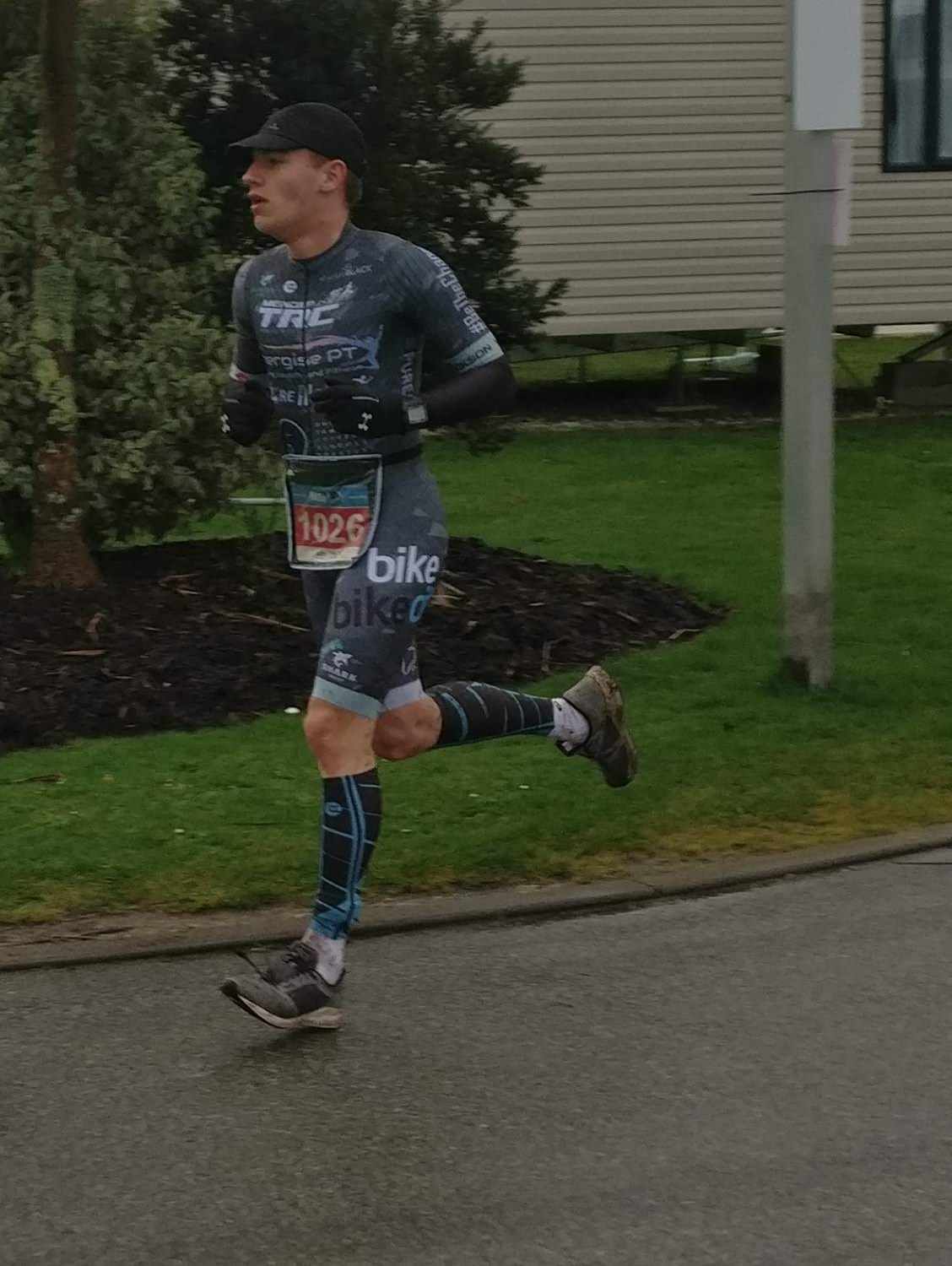
I’m 23, therefore, have left the teenager stage of my life behind (thank goodness). A stinky, sweaty (although, this one still applies), greasy, spotty moody person I was – however, I wasn’t as moody as my brother, I learned not to be. In Genesis, I discussed how I became interested in sport, and when I really started getting into cycling, and what better time to do so than the peak of being a teenager…well actually, no, I don’t think so, and here’s why.
Adults often talk about how teenagers are the sweaty demographic of Earth’s inhabitants (can we just remind you lot that you were once teenagers too, so back off a minute). However, I feel as though the young adult populous gets a bad wrap, and teenage athletes are very understated and misunderstood; for this, let me explain a bit of biology.
The last bone in the human body fuses at the age of 24, therefore, from the day you’re born, to the day you turn to that age and have finished (theoretically) growing, your body is putting all its energy into making you an adult, and when you’re a teenager, that’s the peak of when your body goes through its primary stages of change and growth. I don’t miss the hormone infested, dick swinging environment that is secondary school, although I do miss college, and sometimes uni. Secondary school (12 years old – 16 years) is probably when you go through the major changes, but it all varies between person to person. For me, my main stages of being a teenager were probably from 15-18, and from what I can remember, I was always hungry.
Your body needs food. It converts it to all the essential necessities to live, along with general maintenance. But for teenagers, you need a hell of a lot more to feed your growth (but not too much), and this is where I was catastrophically wrong when I started cycling back in 2012. Most of my body’s energy (I assume) during my teenage years went to fuel my natural growth, so I tended to need more than the usual human being in my household (not really stuffing my face, just making sure I gave my body the necessary fuel it needed). Then I decided to do something really stupid, and throw in a commitment to a sport that requires a stupid amount of food for energy and muscle repair.
I never nailed nutrition when I was young. I was solely focused on the theory that the more you rode, the fitter and stronger you got (yes, that is the case, however, there is a BUT). To my surprise and annoyance, I never really excelled in cycling during my teenage years. There’s no pointing the finger, I was focused on my studies and cycling (mainly the former) and had little time in-between, and that meant no research about nutrition. Looking back, I was probably always in a calorie deficit, therefore, never put on any weight, and getting faster took probably twice, if not trice, as long.
This is why I have learned to have great admiration for young teenage athletes, not only are they fuelling their bodies for growth, but also having to fuel to remain competitive at their sport. I think the time for the saying “you’re lucky, you’ve got age on your side” doesn’t apply to these young athletes. Because, really, do they have age on their side during teenage years? Growth spurts (one week where your frame will fit, and the next, it doesn’t), overcoming the attitudes of peers at school (mental setbacks), since you do something different from the crowd (ride bikes rather than kick a ball), isn’t exactly a major bonus to train for events…I don’t think so anyway.
When you see young athletes completely dominate events, and post ridiculously fast times on strava (other platforms are available), it’s amazing to think that they are able to A. fuel up for growth, and B. fuel to be outrageously competitive. This is why I think there’s a big misconception about teenagers, they’re not greedy, they just need fuel.
Personally, I’m (and hope) am having a slow and gradual peak in my sport. I would estimate that my peak (should I continue this commitment) will occur from 27-years, and hopefully stay at that peak for a while – that’s a lot of blog posts! After your 24th birthday, this is when age is on your side. You’ve finished growing, have a job, and (hopefully) have moved out of your parents. You’re free. Free to do a much training as you job allows, and free to work out what fuel works for you. This is when (I believe) most people peak.
To give you some confidence, when I moved to Leeds, I lived on my own. I had complete control of my life, that meant I could really supply my body with the necessary requirements to be a competitive Duathlete. It’s no wonder that within the first year of racing duathlons, I qualified for the World and European Duathlon championships, athough I was 21 when I moved out, so still had 3 years until the magic 24. I’m back home now, but have taken control of what I can in terms of training, work, and food, and it’s a lot better than when I was a teenager.
It’s a hard age. There’s so much going around, and the last thing you want is to belittled by older athletes who complain that these young teenagers aren’t as good as they make out. Just take a step back and think about biology and science for a bit. It’s not that teenagers aren’t good athletes, it’s that their bodies are devoting more time and energy to grow (hopefully a better and more accepting attitude).
Muse over what I’ve said. Although it’s not scientific, it’s something to think about. Do teenagers have the upper edge on older athletes, or are they limited by natural factors of human growth?
 duathlete.pete
Interesting. I may be just too old and out of date but (apart from female gymnasts, perhaps) I don’t think I expect that much from teenage athletes – rather the opposite, I give even more credit to those who do make it at a young age.
LikeLiked by 1 person
Agreed, but obviously some people who would expect that much. Any commitment to a sporting interest during the teenage years I would consider a big deal
LikeLike